
Express Oil Changes Explained: Expert Insights with Our Service Director
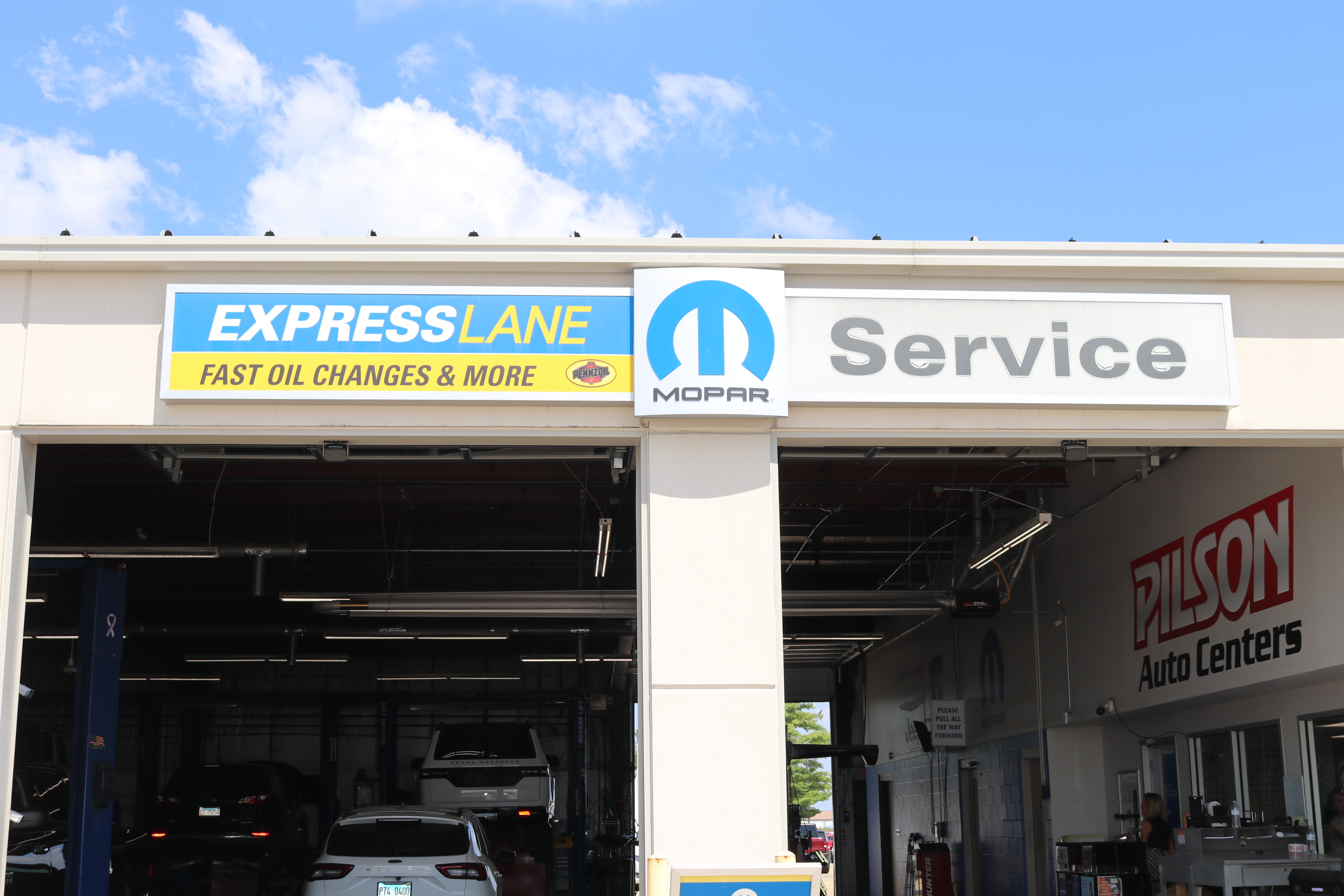
Express Oil Changes Explained: Expert Insights with Our Service Director
An express oil change increases in cost primarily due to engine oil capacity exceeding standard limits, requiring premium full-synthetic SAE 0W-20 formulations, or utilizing specialty cartridge filter designs. We sat down with our Service Director at Pilson Chrysler Dodge Jeep Ram Fiat to walk through what vehicle owners should expect from express maintenance and how to keep their vehicles performing at their best.
Q: What factors increase the cost of an express oil change?
A: Engine oil capacity, specialized fluid specifications, and filter design are the main drivers behind price variations in an express oil change. Standard base services typically cover up to five quarts of conventional or synthetic blend oil, but modern engines often demand larger sump capacities. For instance, severe-duty powerplants or larger truck engines like the 3.0L Hurricane twin-turbo found in late-model trucks often require up to seven or eight quarts of specialized fluid. When a vehicle requires additional quarts beyond the standard allowance, that extra volume adds directly to the final invoice.
A: Oil grade specifications dictated by the manufacturer also shape total service costs. Newer vehicles frequently mandate full synthetic products meeting rigorous standards like Mopar MS-6395 or API SP certification. Specialized options such as Pennzoil synthetic oil cost more to formulate than traditional oils, but they provide critical thermal protection and wear prevention for turbocharged and modern valvetrain systems. Additionally, while basic spin-on spin-off filters are inexpensive, specialty cartridge filters or heavy-duty oil filters designed for severe operating conditions add slightly to the overall price.
A: Routine maintenance should always be straightforward and transparent, which is why understanding these variables helps drivers plan ahead. Drivers traveling into our center can easily find our service center location or give our team a quick call to verify exact fluid requirements for their specific make and model before arriving.
Q: What work is typically included in an express oil change, and how long does it take?
A: A standard express oil change includes draining used engine oil, replacing the filter with an OEM-grade component, refilling fresh motor oil to precise dipstick levels, and conducting a thorough multi-point safety inspection, all completed in roughly twenty to thirty minutes. During a routine visit, technicians top off essential fluids such as windshield washer fluid, check tire inflation pressures, and visually inspect wiper blades, exterior lighting, the air filtration system, and key under-hood components. The goal is to provide a complete preventative check without keeping you tied up in a waiting room all afternoon.
A: Timeframe expectations depend somewhat on current bay traffic, but the actual hands-on service is streamlined for speed and precision. In our specialized lanes, factory-trained technicians use dedicated equipment to process routine services efficiently. When vehicle owners schedule routine oil changes through our dedicated lane, they receive the exact same attention to detail as a traditional shop visit, backed by genuine parts straight from our mopar parts inventory to maintain full factory compliance.
Q: What is the difference between conventional and synthetic oil in express service?
A: Full synthetic oil offers significantly greater molecular uniformity, superior high-temperature oxidation resistance, and better cold-weather flow characteristics compared to petroleum-derived conventional oil. Chemical refining allows synthetic lubricants to resist thermal breakdown under extreme engine temperatures while preventing internal sludge buildup. This level of protection is essential for modern high-output engines, forced-induction setups, and vehicles that tow heavy equipment.
A: Conventional oil, while adequate for older engine designs with lower stress requirements, breaks down much faster under heat and load. Synthetic blends sit in the middle, offering a balance of protection and cost. However, most late-model Chrysler, Dodge, Fiat, Ram, and Jeep vehicles specifically require synthetic formulations to satisfy strict factory warranty terms and internal clearance needs. Drivers can review current service special offers before booking, and then easily schedule a maintenance visit online to ensure their vehicle gets the exact lubricant specification required by the manufacturer.
Q: How do you know when your car needs an oil change between scheduled intervals?
A: Dashboard maintenance reminders, dark or gritty oil on the dipstick, unexpected valve noise, and low oil pressure warning lights are the primary signals that your vehicle needs fresh oil before its scheduled interval. Modern vehicles utilize intelligent oil-life monitoring systems that calculate service timing based on operating hours, engine temperatures, idling duration, and ambient weather rather than raw mileage alone. If the dashboard oil-life indicator drops to ten percent or lower, service should be scheduled promptly.
A: Checking the dipstick manually once a month remains a crucial habit for every vehicle owner. Clean motor oil usually displays an amber translucent color; if the dipstick reveals dark, thick, or gritty oil, or if the level sits below the minimum fill line, the fluid has degraded or burned off. Drivers making regular university commutes through Charleston often experience frequent stop-and-go trips, which accelerate oil degradation faster than highway driving. Listening for unusual engine ticking or knocking during startup also warns you that friction protection has dropped.
"Monitoring dipstick clarity and responding to dashboard maintenance reminders immediately protects engine bearings from costly long-term wear."
Q: What happens if you exceed the recommended oil change mileage interval?
A: Exceeding recommended oil change intervals causes thermal breakdown, sludge accumulation, accelerated mechanical wear on internal components, and potential complete engine failure. Over time, motor oil loses its chemical additives, rust inhibitors, and viscosity modifiers. As heat cooks the depleted lubricant, heavy dark sludge deposits form inside the valvetrain, oil passages, and oil pickup screens, starving critical engine bearings of vital pressure.
A: The manufacturer sets maximum operating bounds that must not be exceeded under any circumstances. For example, late-model truck powertrains specify service as soon as possible after the reminder light illuminates, capped at a hard limit of 10,000 miles, 12 months, or 350 engine-running hours. Continuing to drive past these boundaries causes piston rings to stick, increases oil consumption, and risks voiding factory powertrain warranty coverage due to neglect.
Q: Should older high-mileage vehicles get express oil changes or full service?
A: High-mileage vehicles can safely utilize express oil changes for routine oil and filter swaps, but they should also receive periodic full-service inspections to evaluate worn gaskets, suspension bushings, and braking components. Vehicles with over 100,000 miles benefit greatly from high-mileage oil formulations containing specialized seal conditioners that swell hardened engine seals and reduce minor oil weeping.
A: While express lanes handle routine fluid maintenance quickly, older vehicles operating around rural farming areas near Shelbyville often experience heavy chassis dust and continuous load, making regular undercarriage checks equally important. Combining quick express visits with semi-annual comprehensive shop evaluations keeps higher-mileage vehicles running strong without missing emerging mechanical issues. Drivers can access our express maintenance portal to check in, review our service location map, or give our team a direct call with any specific high-mileage care questions.